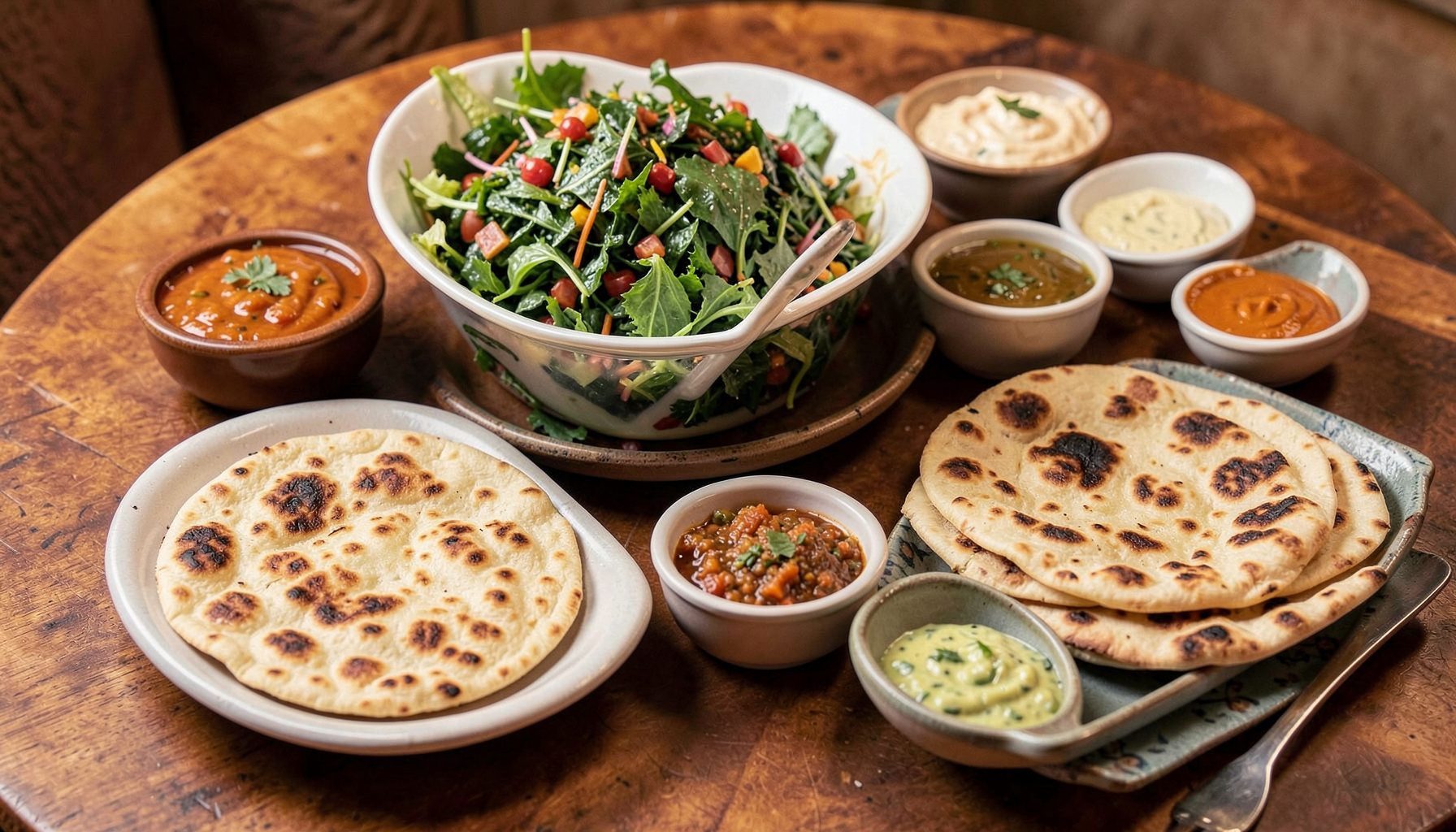
Exploring the Flavors of Libyan Cuisine
Embark on a culinary adventure with Libyan cuisine — discover the unique flavors, influences, and key ingredients that make up this North African gastronomic treasure.
Category · Middle East
Articles exploring the culinary traditions of the Middle East, including Syrian, Lebanese, and Libyan food.
The Middle East is a region where culinary traditions have been shaped by millennia of trade routes, cultural exchange, and the natural bounty of the land. Fragrant spices like sumac, za'atar, and cardamom tell stories of ancient caravans, while fresh herbs such as parsley, mint, and cilantro bring brightness to rich, slow-cooked dishes. Shared meals are central to hospitality across the region, with tables often filled with small plates meant to be passed, shared, and enjoyed together. This spirit of generosity and communal dining remains at the heart of Middle Eastern food culture, inviting newcomers to experience flavors that feel both exotic and warmly familiar.
Syrian cuisine offers a remarkable depth of flavor, built on layers of aromatic spices, slow-simmered stews, and delicate pastries that showcase the country's rich culinary heritage. From the comforting warmth of spiced rice dishes to the crisp, honeyed sweetness of traditional sweets, every preparation reflects a careful balance of ingredients that has been perfected over generations. The use of olive oil, pomegranate molasses, and fragrant herbs creates dishes that are simultaneously bold and refined. Exploring Syrian food is a journey through history, where each bite reveals influences from the Mediterranean, the Levant, and beyond.
Lebanese cooking is celebrated for its fresh, vibrant approach, emphasizing vegetables, legumes, grains, and high-quality olive oil. Mezze culture invites diners to sample an abundance of small dishes, from creamy dips and tangy salads to grilled meats and savory pastries, creating a dining experience that is both social and endlessly varied. Herbs play a starring role, lending brightness to every course, while lemon and garlic provide a lively backbone to many preparations. This emphasis on fresh, wholesome ingredients reflects a deep respect for the land and a culinary philosophy that prioritizes balance, simplicity, and shared enjoyment at the table.
Libyan cuisine weaves together influences from North Africa, the Mediterranean, and the wider Arab world, resulting in a distinctive and hearty culinary identity. Bold spices, rich tomato-based sauces, and generous use of grains and legumes define many traditional dishes, while coastal regions contribute an abundance of fresh seafood prepared with fragrant seasonings. The cuisine reflects Libya's position at a crossroads of cultures, with each influence adding its own layer of complexity to the country's gastronomic landscape. For those seeking authentic, deeply satisfying flavors, Libyan food offers a captivating introduction to a lesser-known but richly rewarding culinary tradition.
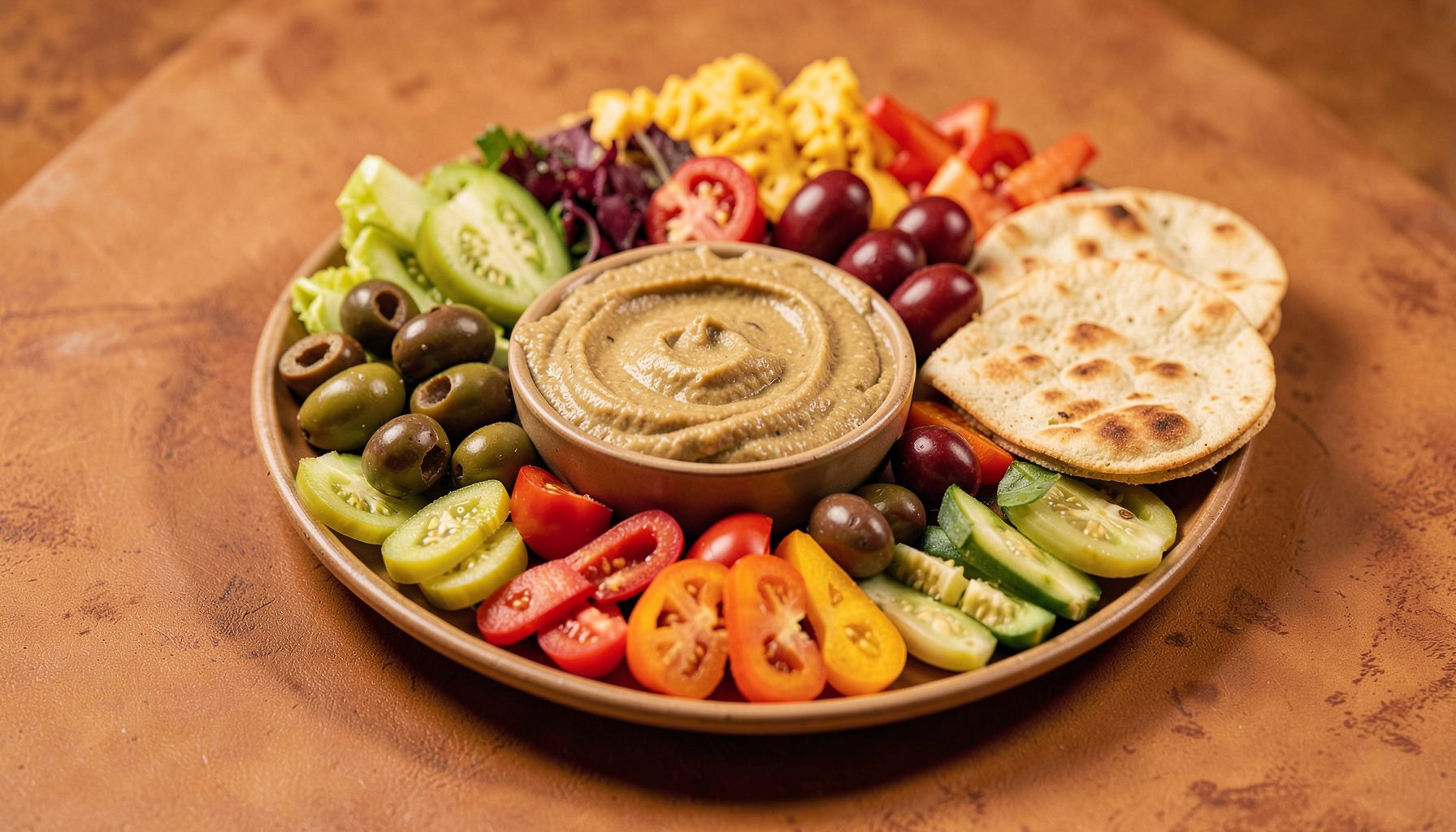
The Middle East is home to some of the world's most aromatic and deeply layered cuisines. From the fragrant spice blends of Syria to the fresh, herb-forward dishes of Lebanon and the North African–influenced cooking of Libya, this region offers a rich tapestry of flavors shaped by centuries of trade, migration, and tradition.
Embark on a culinary adventure with Libyan cuisine — discover the unique flavors, influences, and key ingredients that make up this North African gastronomic treasure.
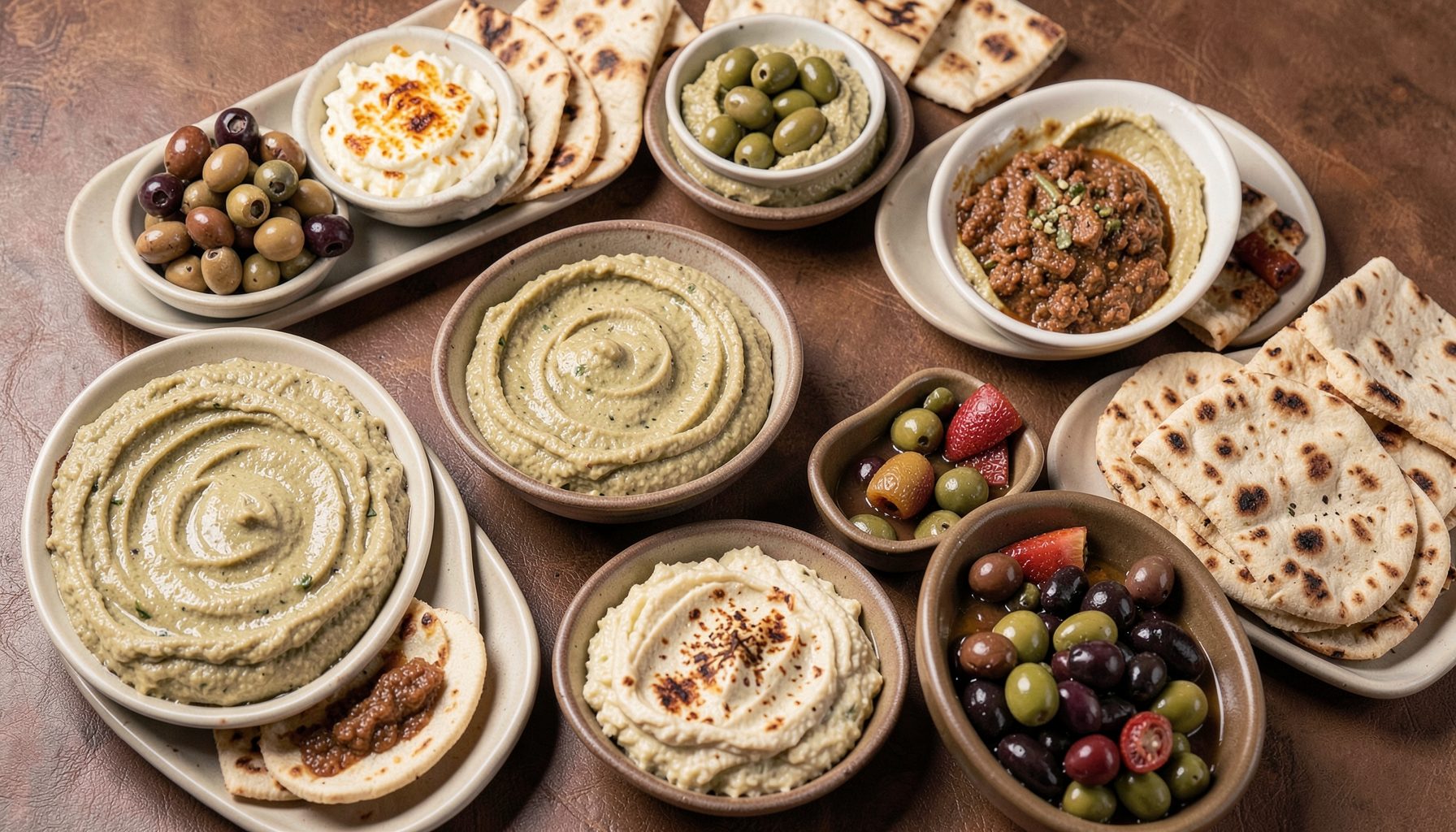
A journey through Syria's most beloved dishes, from aromatic stews to vibrant street food, reflecting a deep and ancient culinary heritage.
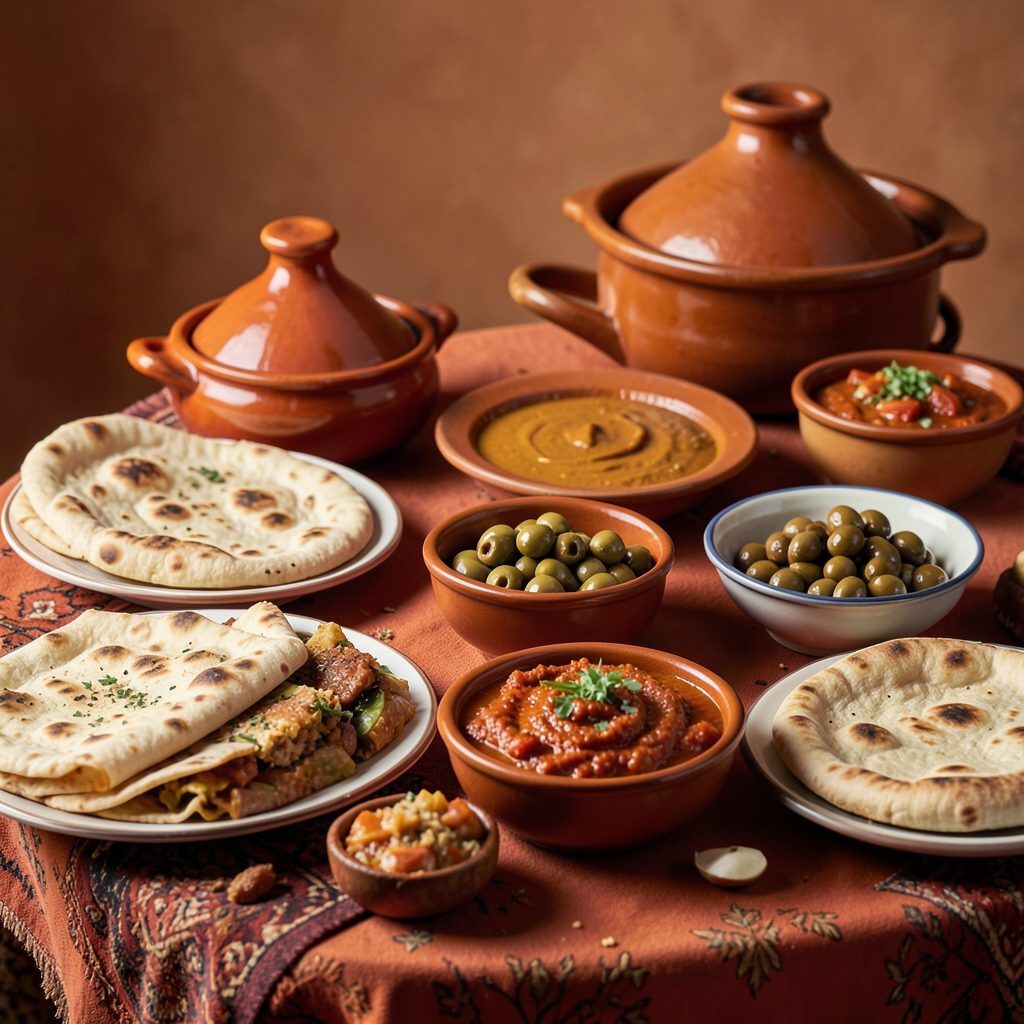
Lebanese cuisine is celebrated for its fresh ingredients, generous mezze spreads, and balanced flavors — explore the dishes that define this culinary tradition.
Posts in this category are tagged under the following topics: